What Are The Principles Of Electrical Insulation Testing In Engineering Applications?
Have you ever wondered what goes into testing electrical insulation? It may not be the most exciting topic, but it's a crucial aspect of ensuring safety and preventing electrical failures. Let's dive into the principles of insulation testing and see what makes it so important. First off, what is insulation testing? Simply put, it's the process of measuring the resistance of electrical insulation to determine if it's still doing its job of preventing current flow where it shouldn't be. This can be done with a variety of instruments, such as a megohmmeter or a hipot tester, and the results are compared to established standards to determine if the insulation is still up to par. Now, why is insulation testing so important? Well, as you may know, electricity can be dangerous when not handled correctly. If electrical insulation fails, it can allow current to flow where it shouldn't, potentially leading to electrocution, fires, or other hazards. Insulation testing can help detect early signs of insulation failure, allowing for maintenance or replacement before accidents occur. But how does insulation actually work? In simple terms, the purpose of insulation is to resist the flow of electrical current. It does this by either blocking or slowing down the movement of electrons, which carry the current. The effectiveness of insulation is measured in terms of its resistance, which is the ratio of voltage applied to current flow. The higher the resistance, the better the insulation. So, what are some of the factors that can affect insulation resistance? One of the primary factors is temperature. As the temperature of insulation increases, its resistance decreases, making it more susceptible to electrical failures. This is why many insulation testing procedures involve measuring resistance at both room temperature and elevated temperatures, to simulate real-world conditions. Another key factor is the type and quality of the insulation material. Different materials have different resistances, and some materials may break down more quickly than others under certain conditions. This is why it's important to choose the right insulation materials for the job and to monitor the quality of those materials over time. The age and condition of the insulation can also affect its resistance. Over time, insulation may degrade due to exposure to heat, moisture, chemicals, or other factors. This can cause its resistance to decrease, making it less effective at preventing current flow. Regular insulation testing can help detect these changes early and allow for corrective action to be taken. So, how is insulation testing actually performed? One common method is to use a megohmmeter, which applies a high voltage DC current to the insulation and measures the resulting current flow. The higher the measured resistance, the better the insulation. Other methods include using a hipot tester, which applies a high voltage AC current, or using partial discharge testing to detect tiny electrical discharges within the insulation. Of course, insulation testing is not a one-time task. It should be performed regularly, depending on the type and criticality of the equipment being tested. For example, critical equipment may require testing on a monthly or quarterly basis, while less critical equipment may only need to be tested annually. Regular testing can help ensure that electrical systems continue to operate safely and effectively over time. In conclusion, insulation testing may not be the most exciting topic out there, but it's certainly an important one. By understanding the principles behind insulation testing and how it's performed, we can gain a greater appreciation for the role it plays in ensuring electrical safety and preventing accidents. So, the next time you flip a light switch or plug in an appliance, take a moment to thank the insulation that's keeping you safe. 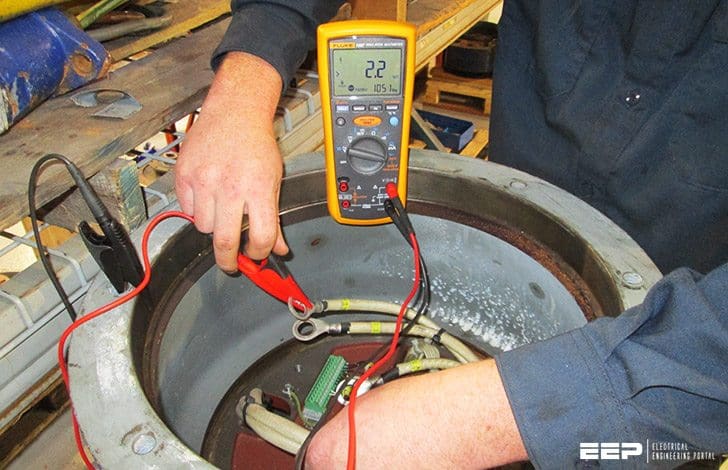
electrical-engineering-portal.com - insulation testing principles electrical tester alternating current appear logical choice because test source would use
Post a Comment for "What Are The Principles Of Electrical Insulation Testing In Engineering Applications?"